
By Noumena
Vineyard management has always required a careful balance between observation, experience, and timely action. However, as vineyards grow larger and climate conditions become more unpredictable, traditional monitoring methods are reaching their limits.
Walking the rows, visually inspecting leaves, and reacting once symptoms are obvious is no longer enough. Diseases like mildew can spread quickly, and by the time they are visible to the naked eye, damage may already be done.
This is where drone-based crop monitoring changes the rules.
From periodic inspection to continuous awareness
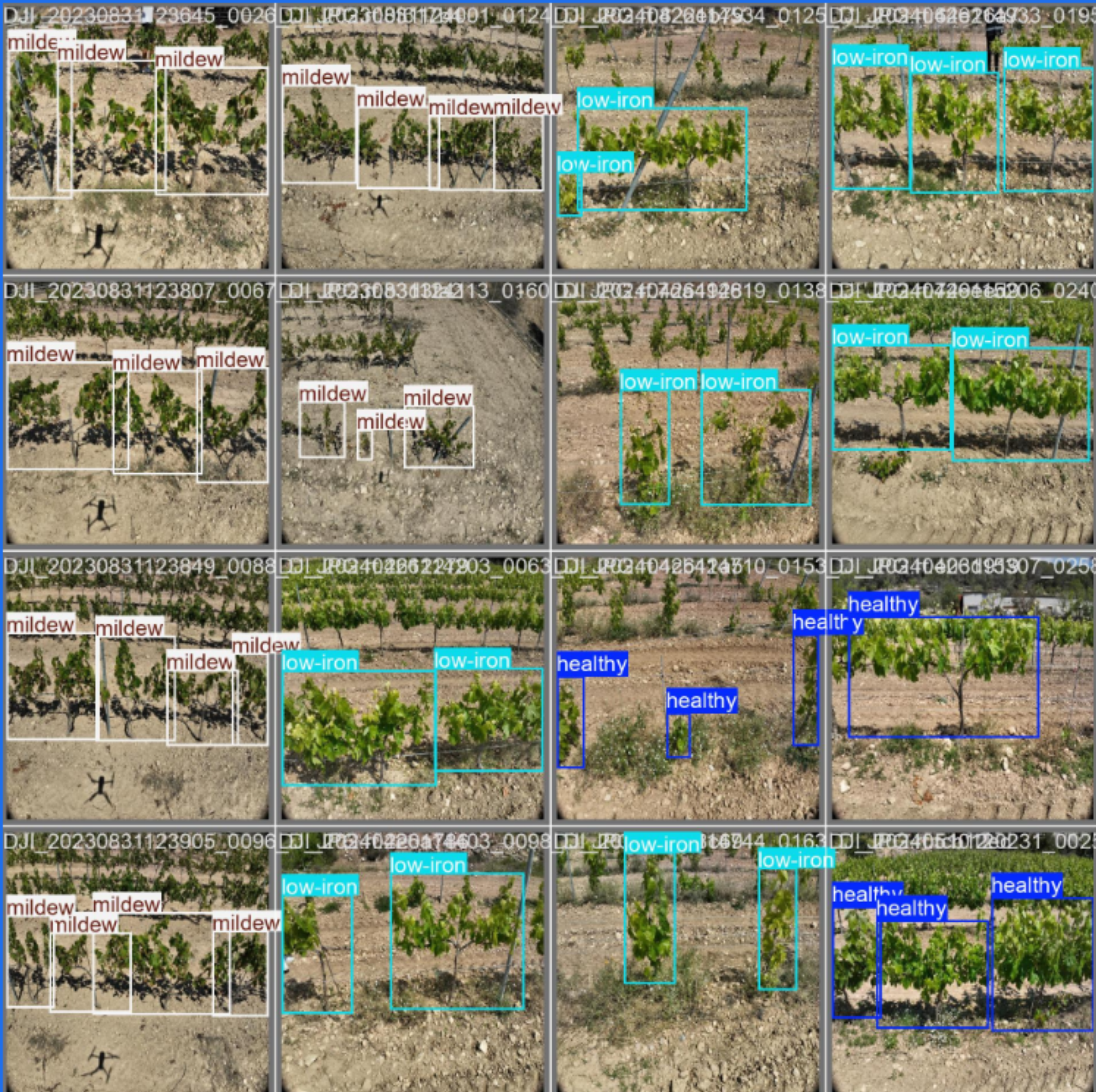
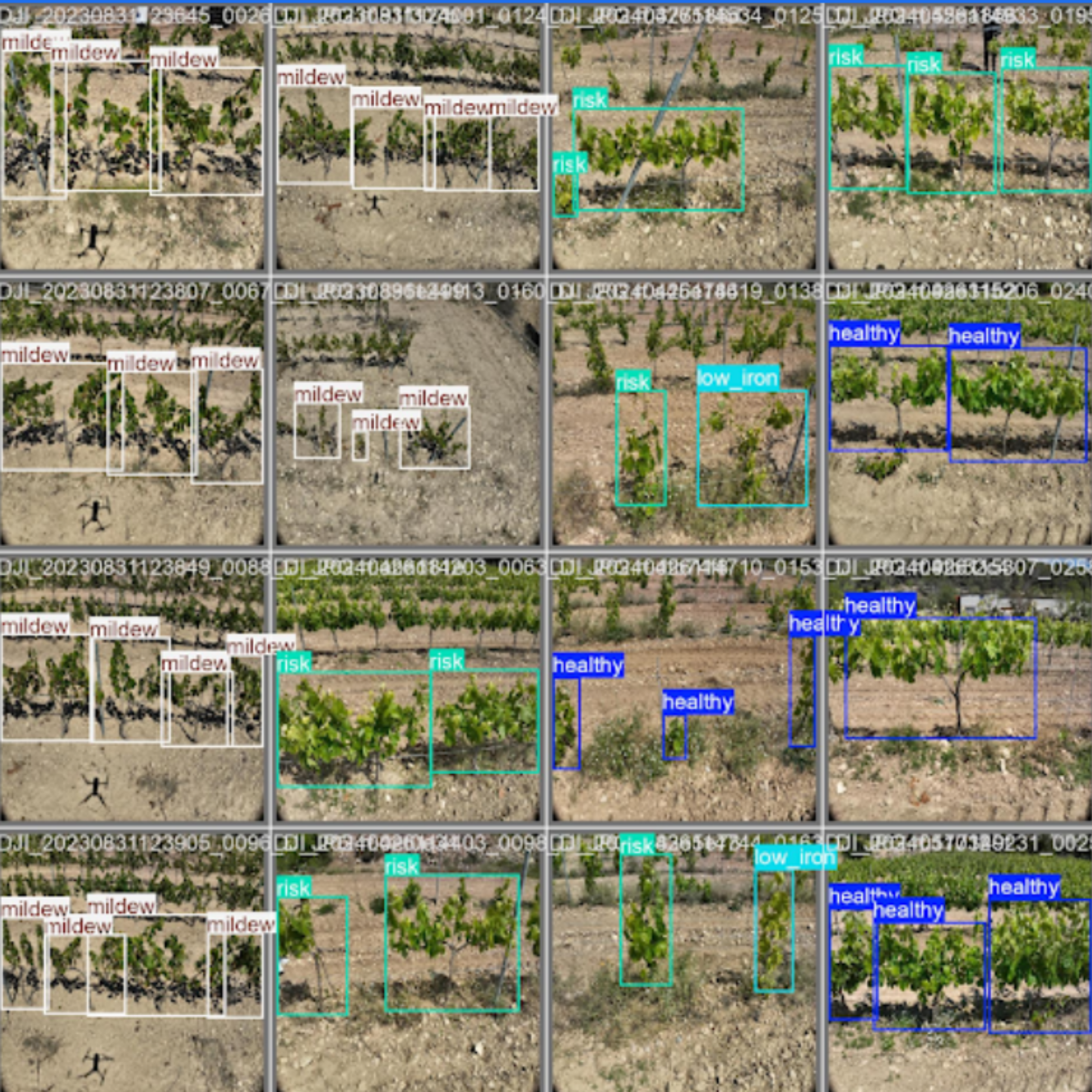
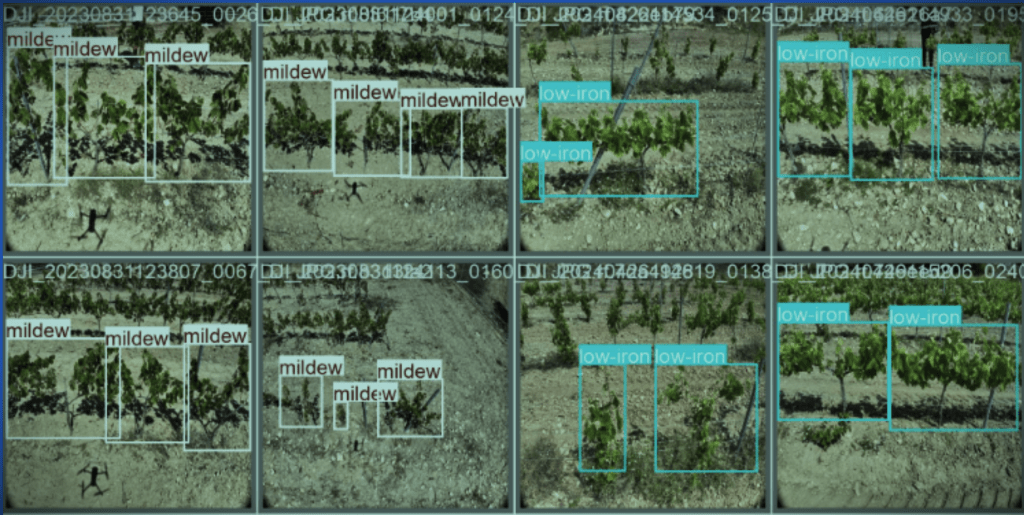
The ICAERUS Use Case 1 demonstrates how drones can be used not simply to “take pictures from above,” but to create a continuous understanding of vineyard health.
By flying drones at different heights and angles, two complementary perspectives are achieved:
- Global view: a complete overview of the vineyard
- Plant-level view: detailed inspection of individual vines
This combination allows farmers to move from occasional inspections to systematic, repeatable monitoring.
Early detection instead of late reaction
One of the most important advantages of drone monitoring is early detection.
Multispectral imagery makes it possible to identify stress in plants before visible symptoms appear. Instead of discovering a problem once leaves are already damaged, farmers can detect changes in plant vigor at a much earlier stage.
This enables:
- Faster response times
- Targeted treatments
- Reduced use of pesticides
- Lower operational costs
Turning images into decisions
Raw images alone are not useful. The value lies in transforming them into clear, actionable insights.
Drone data is processed into visual maps that show:
- Health variations across the vineyard
- Areas that require attention
- How conditions evolve over time
Rather than relying on intuition alone, growers gain objective data that supports better decisions.
A shift in how vineyards are managed
The real transformation is not technological, it is strategic.
Drone-based monitoring allows vineyard managers to:
- Focus their efforts where they matter most
- Act preventively instead of reactively
- Understand how weather and terrain affect plant health
- Improve sustainability without sacrificing productivity
The vineyard becomes a measured, observable system, not just a field to be inspected.
This is the future of vineyard monitoring: precise, data-driven, and deeply connected to real world conditions.