
By Noumena
Precision agriculture increasingly relies on data, but collecting data is only the first step. The real challenge lies in transforming raw imagery into actionable insight.
Use Case 1 from the ICAERUS project presents a complete workflow for smart crop monitoring using drones, computer vision, and spatial analytics.
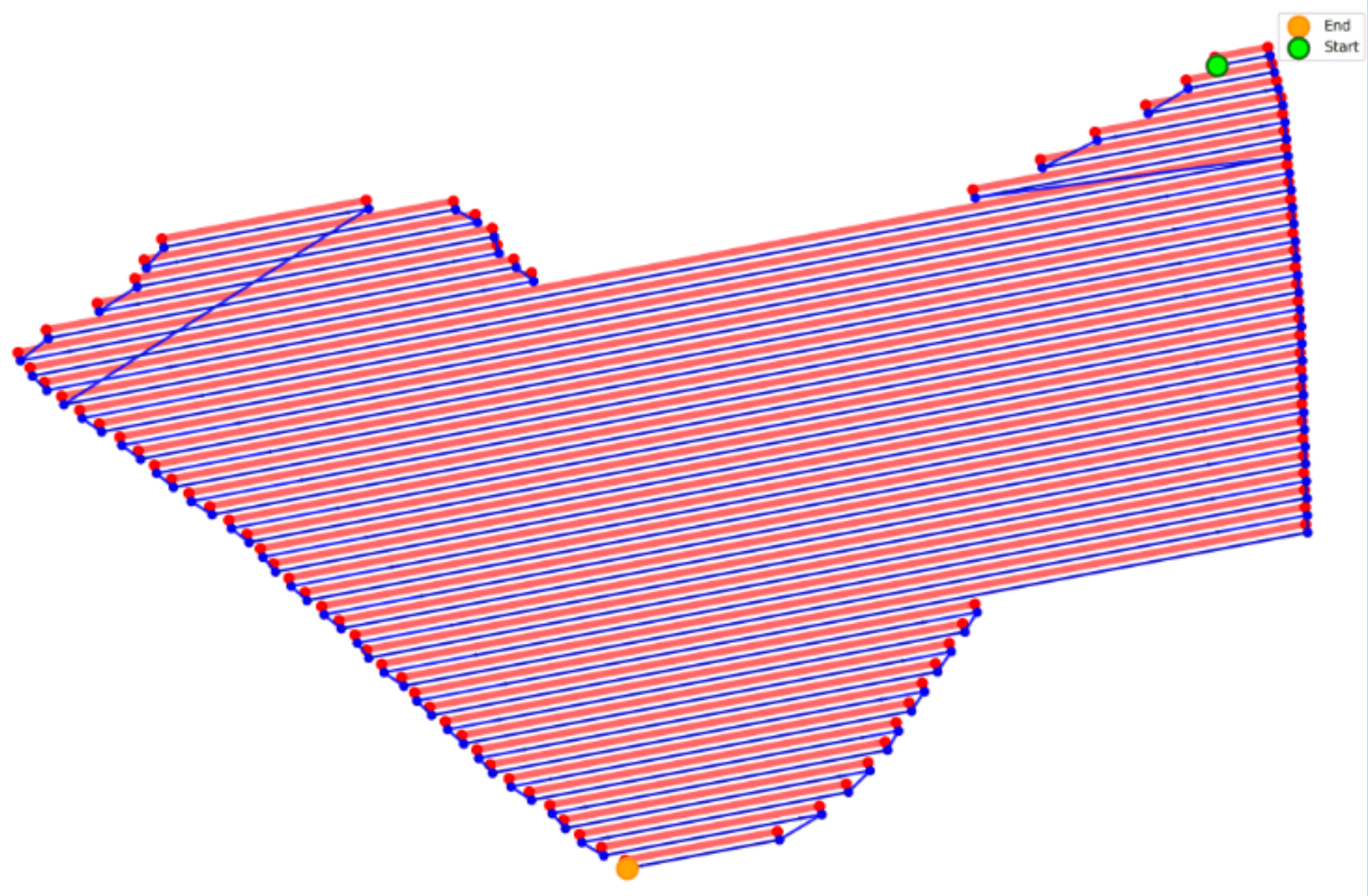
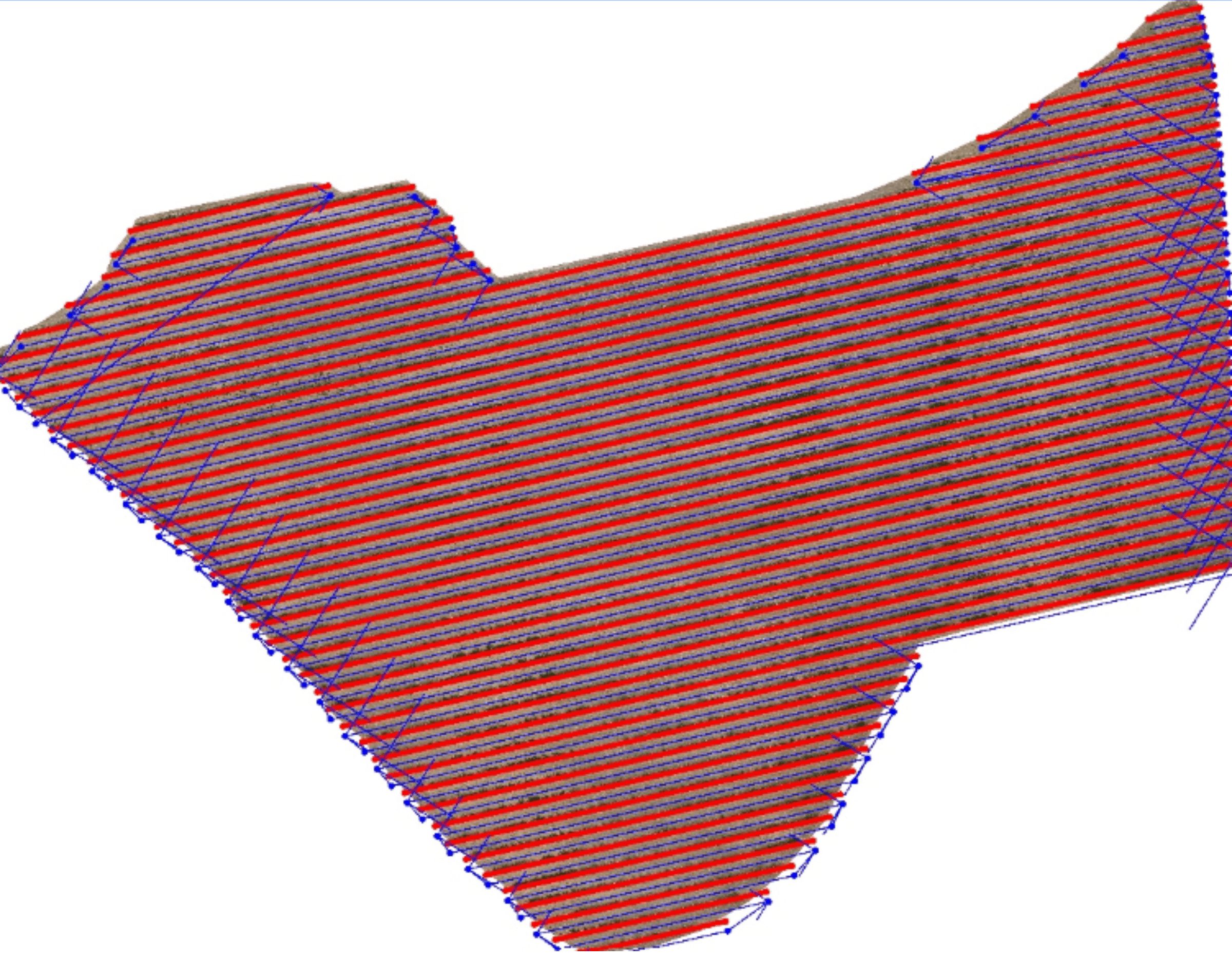
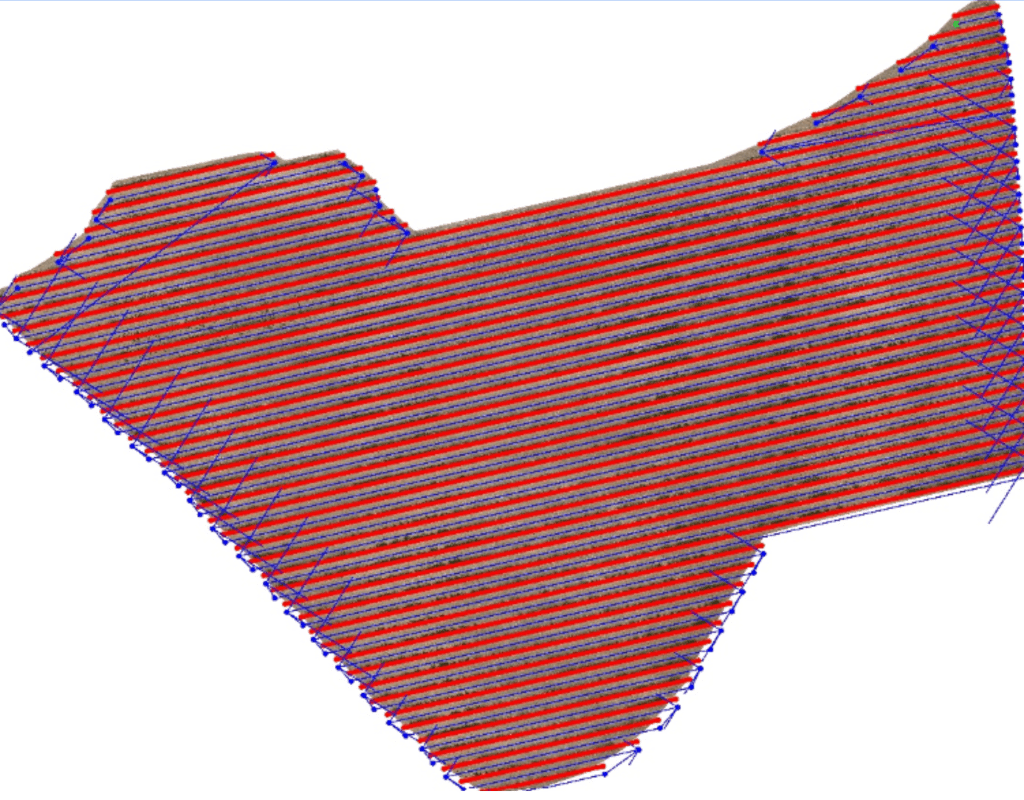
The process begins with structured drone flights:
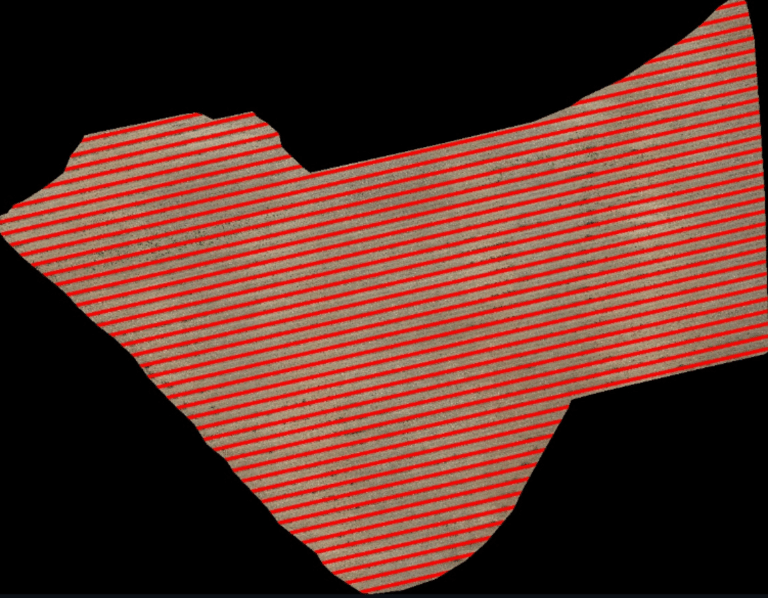
- Top-view flights generate high-resolution orthomosaics and 3D reconstructions.
- Row-level flights capture detailed images of individual plants.
Multispectral imagery enables the calculation of vegetation indices such as NDVI, which provide an initial overview of plant health across the vineyard. These maps highlight areas requiring closer inspection.
At the plant level, a custom-trained detection model identifies symptoms of disease directly from close-range images. Each detected plant is then geolocated and projected onto the global vineyard map, using drone metadata such as RTK GPS position and orientation.
This dual-scale approach, combining global field analysis with localized plant detection, enables:
- Continuous monitoring of crop development
- Early detection of disease spread
- Quantitative growth analysis over time
By organizing all outputs into a centralized data platform, the system allows growers and agronomists to visualize trends, compare dates, and design targeted interventions.
The Use Case 1 workflow demonstrates how computer vision and drone analytics can move from experimental pilots to operational tools for modern agriculture to reduce risks by early plant detection disease.